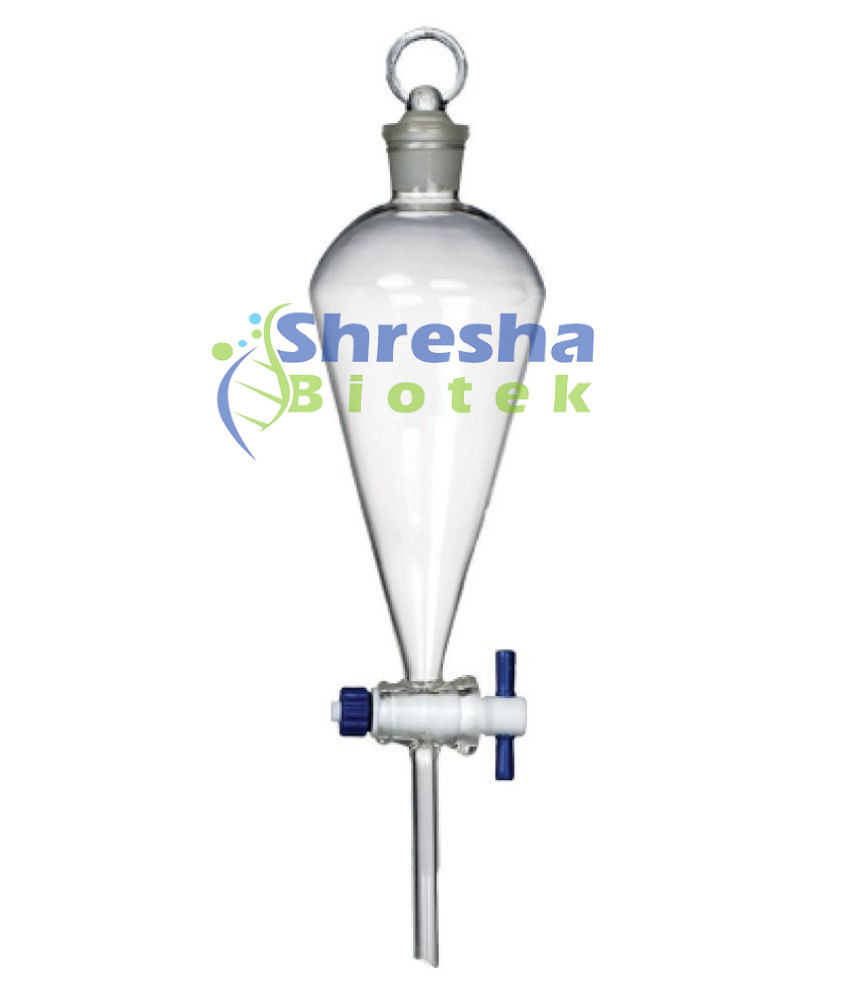
Features:
Pear-shaped or cylindrical body with a conical bottom
Equipped with a stopcock at the bottom for controlled liquid release
Fitted with a ground glass or plastic stopper at the top
Designed to separate immiscible liquids (like oil and water) based on density differences
Allows easy decanting of lower or upper liquid layers
Transparent (glass) for clear visibility of phase separation
Easy to clean and reuse in multiple lab processes
Common in organic chemistry, extraction, and liquid-liquid separation
Specifications:
Material: Borosilicate glass or sometimes plastic (e.g., polypropylene)
Capacity: Common sizes include 125 mL, 250 mL, 500 mL, 1000 mL.
Shape: Pear-shaped or cylindrical depending on application
Stopcock: PTFE (Teflon), glass, or plastic; controls flow of liquids
Top closure: Ground glass or plastic stopper to prevent leaks or evaporation
Graduations: Some models have volume markings; approximate measurements only
Temperature resistance: High for glass (~500°C), lower for plastic
Sterilization: Glass types are autoclavable; plastic types may be autoclaved depending on material
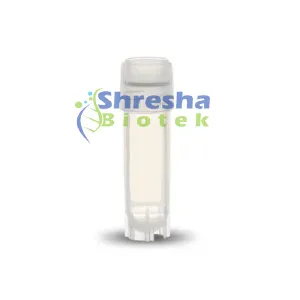
Specifications:
Volume: typically 1.0 mL, 1.5 mL, 2.0 mL, 4.0 mL, or 5.0 mL
Material: Medical-grade polypropylene
Temperature range: down to -196°C (in vapor phase liquid nitrogen)
Cap type: External or internal thread with O-ring seal
Dimensions: varies by volume; e.g., 2.0 mL vial ~12.5 mm diameter × 48 mm height
Max RCF: up to 17,000 x g (varied by model)

Specifications:
Material: Polypropylene or polyethylene
Diameter: 11–14 mm (varied based on vial cap size)
Color options: often sets of 5–10 colors (e.g., red, blue, green, yellow, white, etc.)
Temperature range: -80°C to 121°C
Compatibility: fits external or internal thread cryo vials (varied by model)
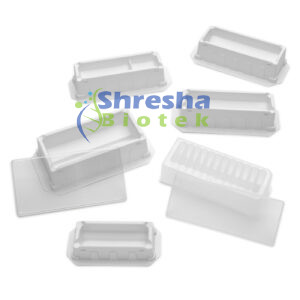
Specifications:
Material: Polystyrene, polypropylene, or polyethylene
Capacity: 25 mL, 50 mL, 100 mL, or 150 mL
Bottom type: flat, V-bottom, or sloped
Compatibility: suitable for manual or automated liquid handling systems
Temperature resistance: up to 121°C (for polypropylene, autoclavable)
Sterilization method (for sterile versions): gamma irradiation or ethylene oxide

Specifications:
Material: Medical-grade polypropylene or polystyrene
Capacity: 30 mL, 50 mL, 60 mL, or 100 mL
Cap type: Screw cap
Sterility: Sterile or non-sterile (based on version)
Temperature resistance: up to 121°C (autoclavable, if polypropylene)
Leak test: Conforms to standard leakage resistance for sample transport
Welcome Back 👋
Sign in to access your account and continue where you left off.
Welcome aboard 🚀
Create your account to access everything you need.
Added to cart
Check out our shop to see what's available